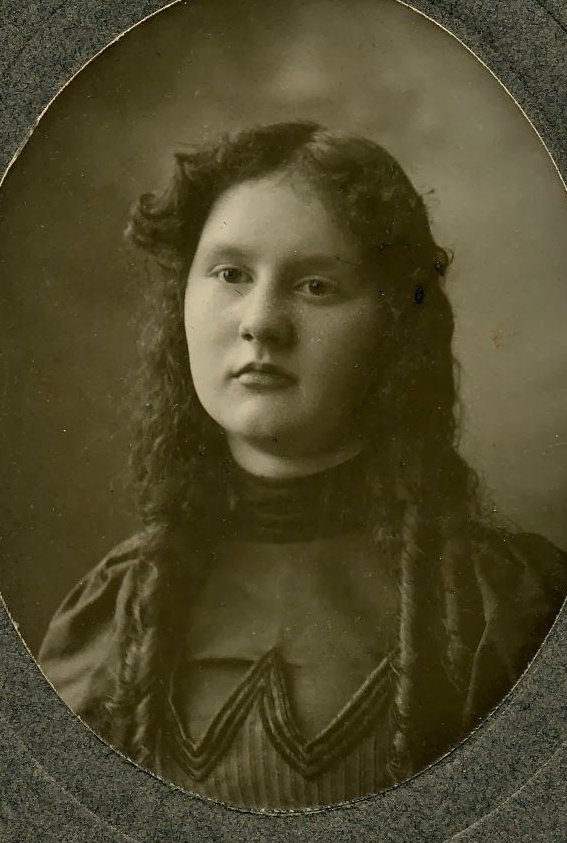
As Women’s History Month draws to a close, we want to share the following story of a woman instrumental in developing part of West Auburn, as written by her great-nephew Richard Hedin.
In a time not too long ago, there existed a town, but I would rather call it a village, for it was such a small community of rolling hills and green pastures, that village so well defines this small rural area. It was not too far from a larger and more industrial city, so there was always the opportunity to take a ride by some means to this busy place outside of our little village where this story begins.
As it happened, a young woman arrived in this quaint village who had very little, if any formal education and certainly was limited as far as any resources we could ever think could be…yet she changed this area more than any one other single person. And this is her story:
She was not alone: she had her husband and a good group of friends, we could and should call them her sisters and brothers and many other folks. They all played a role, however, in her life and her development of this western village. For having little education and little training in much of anything, she had an inherent gift or talent for creating things, doing what, to some, would seem impossible; her mind just moved in many directions all at once and whatever it was, appeared to come out right in the end. We assume, the little money she had must have come from her husband, Clarence.
Her first endeavor was to build a house on a stretch of untouched land not too far from her sister’s home, which at the time was not more than a “shanty,” for her husband and three children. This, that was about to be constructed, was more of a Sears catalog house: it was one of the first in the town to be considered a prefabricated house. When completed, she called it “the bungalow.” And as remembered, it was filled with some of the nicest things that would make her sister and others very envious of her accomplishment.
And as the story continues, this woman with a passion for nice things and an architectural flare, had her eyes on another site not too far from her first house. It was to be the most elegant of all the houses that she “created.” For she had a designer’s heart and played an important role in all the four houses that she had named: Blanche Mitchell, my great aunt.
This second home was known to all as the “brown” house, for obvious reasons. It was a two-story house with an impressive foyer with a fireplace and a sweeping curved staircase leading to the bedrooms on the second floor. There was a sliding door that would close off the dining room from the living room. I am very sure this was used many times by her, for she served some very elegant meals using all her best china and crystal that she would place so carefully and ever so properly at each setting. It made her sister, Sadie, who lived across Albert Street, just a bit envious, for their homes and lives were worlds apart. Sadie’s daughter, Blanche, my mother, sometimes was allowed to sleep over at her aunt’s impressive home. She spoke fondly of her aunt but just couldn’t quite compare or understand the two different lifestyles that separated them, even though they were a very short distance from each other. This “brown house” was a block from the “bungalow” and they both had frontage on what was, at the time, a two-lane dirt road: Routes 12 and 20!
My great aunt built two more houses, both facing Albert Street. The third was a small two-story home, not only noted for very fine landscaping and floral beds with all kinds of flowers, but her gift for that elegant flare continued in each of the rooms. She had moved into this house, which she called the “cottage” with her husband, as he dutifully followed her to all the other homes. But this time, this would be Clarence’s last stop, for he died there in 1933. Then her life did change: illness and a lack of resources took some of that spark and that gift of creativity. Eventually all the houses: the bungalow, the brown house, and the cottage were no longer hers to ponder over and enjoy. She built, with what little means she had left, her final home: a small three-room dwelling at 5 Albert Street.
And there she spent her remaining years looking up at her sister’s nine room home, as we looked down on her small “shanty-like” house. Now, life had changed as it does for all: the people in the big nine room house: her sister and her husband Albert, my father Harold and my mother Blanche, and yes, even Richard took care of her till she died in 1970, but we, and I would dare to say, that I learned a lot from my great aunt: she, to some extent, was my mentor…we would talk about all sorts of things: schooling, architecture, poetry, and life in general; she was special to me and I will remember her as a shining light of knowledge, understanding and love.
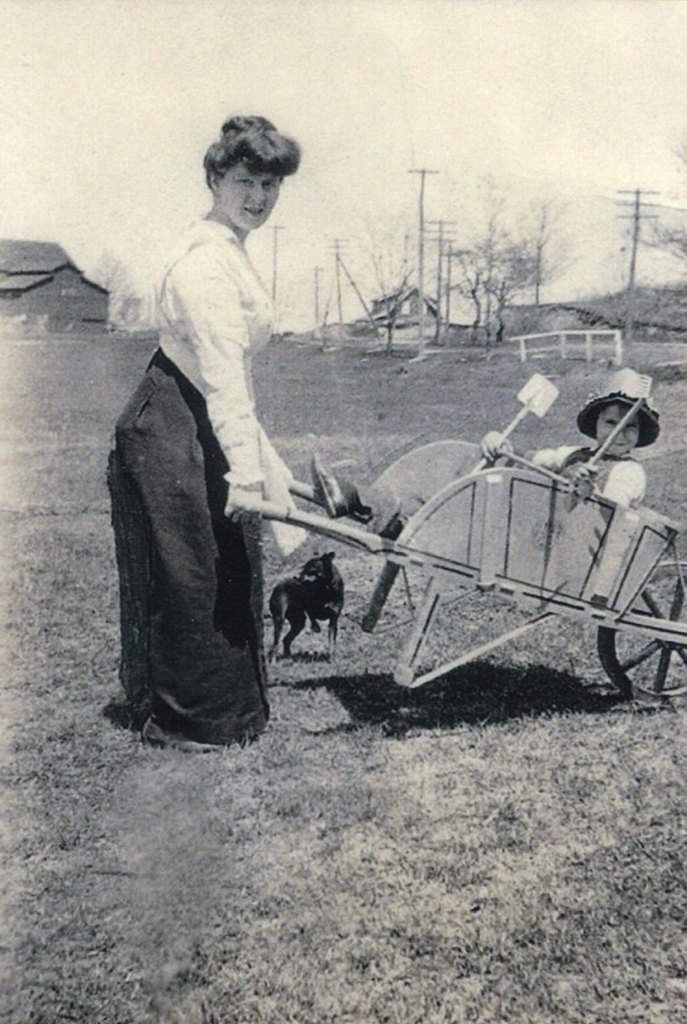
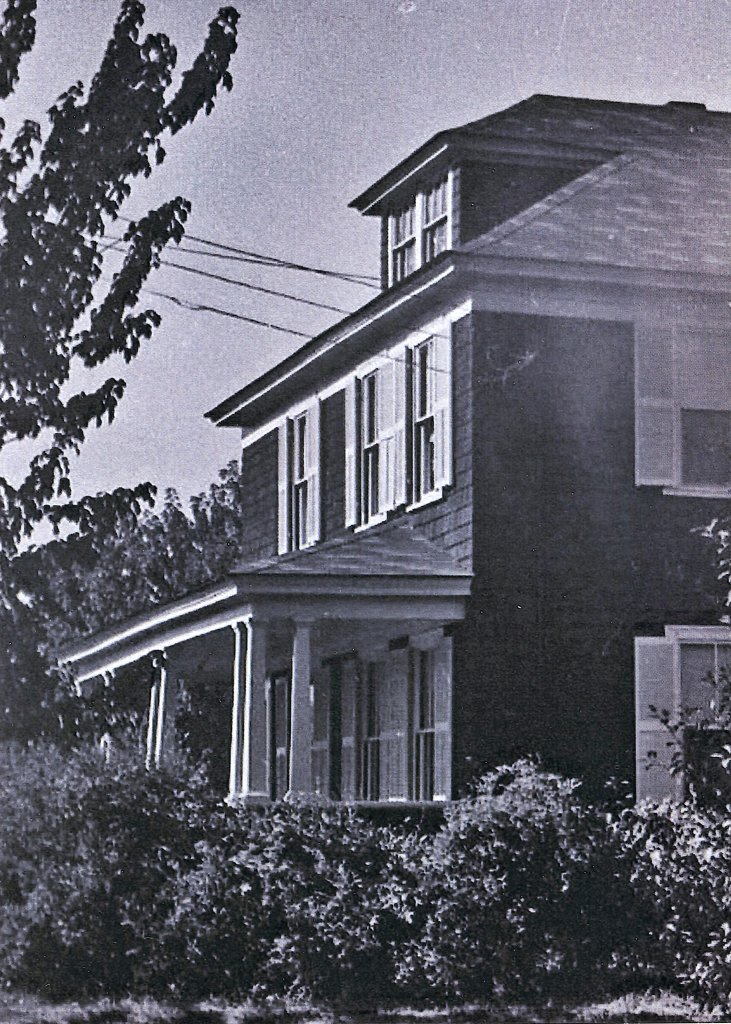

Now that you have read about Blanche and her contributions to West Auburn, we invite you to visit the Auburn Historical Museum to view a special exhibit on Blanche where you can see all of her houses and some objects you would have found in her house if you were to visit.
 Auburn Historical Society & Museum